







Search Results for: Cola Ice Cubes
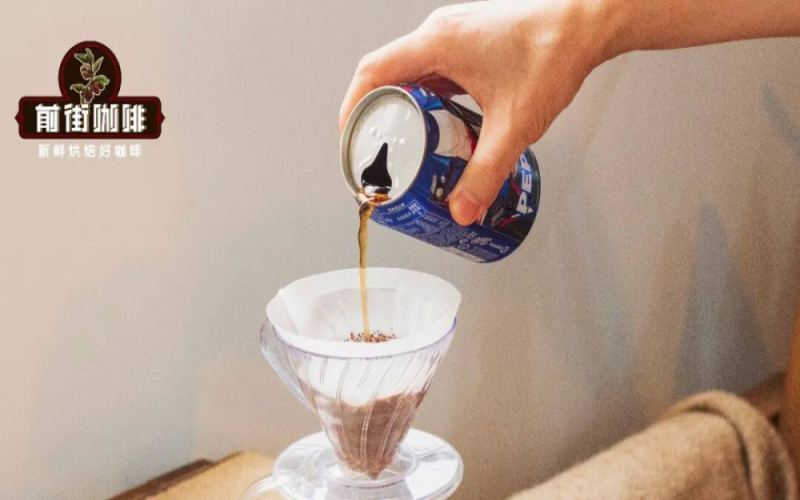
What Happens When You Replace Hot Water with Cola to Brew Coffee? A Hands-On Comparison of Iced Cola Pour-Over vs. Cola Ice Cube Pour-Over
Can cola actually be used to brew coffee? Front Street Coffee, out of curiosity, conducted two rounds of hands-on testing: in the first round, iced cola was used directly instead of hot water to extract Front Street Blackberry Coffee; in the second round, cola was frozen into ice cubes while hot water was still used for brewing, to compare the flavor differences between the two. The results showed that when iced cola was used for direct extraction, the low temperature and abundant bubbles hindered the release of soluble coffee compounds, making the final product taste more like a glass of coffee-flavored iced cola; whereas when cola ice cubes were used instead, the coffee flavors were finally preserved, with raisin, floral, and berry notes clearly emerging, layered with the icy sweetness of soda, making the overall cup refreshing and mellow. This article fully documents the parameters, brewing steps, and flavor observations, and is suitable for coffee enthusiasts who want to try a new method at home. [more…]
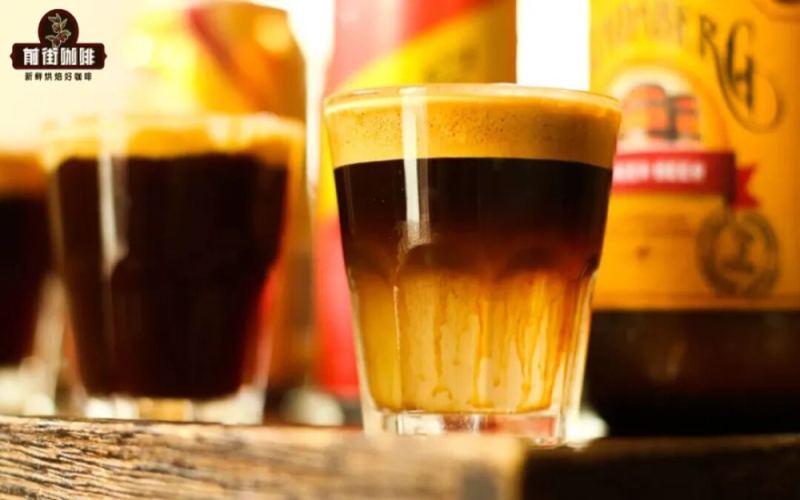
Sparkling Coffee Complete Guide: N Ways to Pair Espresso with Soda, Cola, Sprite, Juice, and Coconut Water
When carbonated bubbles collide with piping hot espresso, that burst of aroma is always irresistible. This time, Front Street Coffee has systematically organized the sparkling coffee recipes they've tried over the years, from the most basic sparkling water iced Americano, to variations using cola or Sprite instead of sparkling water, and further to advanced specialty drinks with preserved plums, mint, fruit, even young coconut and fruit juice — all presented at once. The article also thoughtfully offers bean selection advice — carbonated drinks amplify coffee flavors, so medium-to-dark roasted beans with cocoa notes are the safest choice, such as Front Street Queen's Estate, Classic Blend, Black Cocoa Base Blend, and the sweet-oriented Strawberry Candy Espresso. Each recipe includes specific doses, water amounts, and extraction parameters, making it easy to replicate at home. [more…]
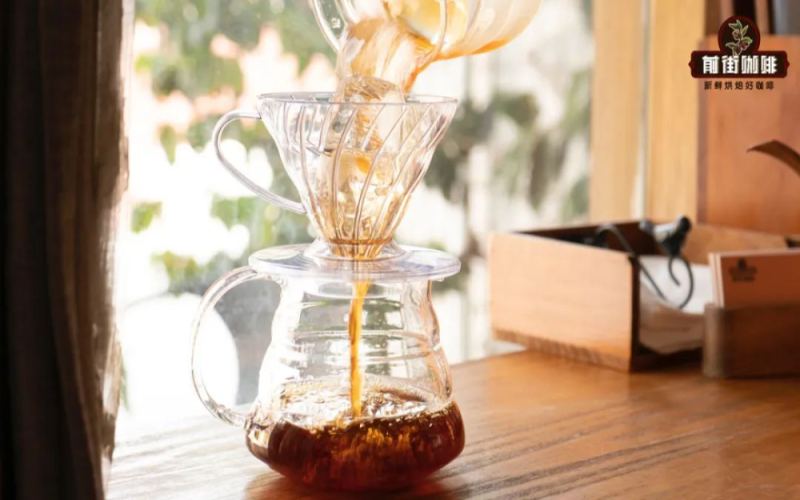
A Complete Guide to Ice Cube Amounts and Coffee-to-Water Ratios for Iced Pour-Over Coffee: A Practical Guide from Bean Selection to Brewing
On a hot summer day, a glass of iced pour-over coffee becomes the favorite of many coffee lovers. But exactly how much ice should be added? And how should the coffee-to-water ratio be adjusted? This article will systematically answer common questions about iced pour-over coffee from multiple angles, including coffee bean selection, the role of ice, specific brewing plans, and the timing of adding ice. Taking 15 grams of coffee, a 1:10 coffee-to-water ratio, and 100 grams of ice as an example, Front Street Coffee breaks down in detail the grind size, actual concentration, and the impact of ice melting on flavor, helping you make a cup of iced pour-over that is both refreshing and not diluted. [more…]

Can stainless steel ice cubes be used to cool coffee? A practical test comparing their effect and usability against homemade ice cubes
When drinking iced coffee in summer, it tends to become diluted toward the end, so some people have thought of using stainless steel ice cubes instead of traditional ice. Are these reusable metal ice cubes really suitable for coffee? Front Street conducted an actual comparison test, analyzing the structure of stainless steel ice cubes, their cooling speed, and their impact on flavor. The results show that although stainless steel ice cubes have the advantage of not melting, their cooling effect is far inferior to homemade ice cubes, especially performing poorly in the ice pour-over step. The article also shares a pour-over plan using a mix of the two types of ice cubes, and explores why coffee shops rarely use stainless steel ice cubes. [more…]
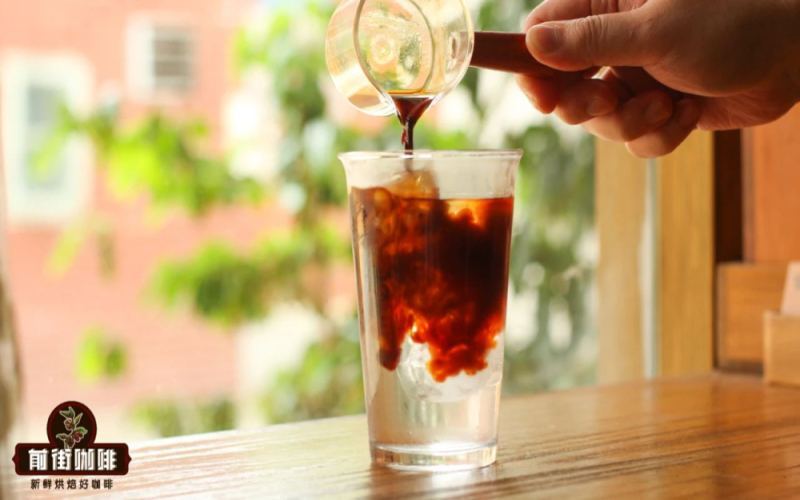
Summer Sparkling Americano Iced Coffee: Key Preparation Points and a Full Explanation of the Flavor Sources of Black Gold Americano
In the scorching summer heat, Guangzhou locals have their own clever ways to cool down, and the collision of soda and coffee—sparkling iced Americano—is becoming a favorite among many coffee lovers. This drink uses simple ingredients, requiring only ice cubes, soda water, and espresso, but if you want to make it refreshing and delicious, the choice of ingredients and attention to detail cannot be overlooked. This article starts with the selection of soda water, ice cubes, and coffee beans, explains in detail how to obtain a high-concentration coffee liquid through pour-over methods, and provides complete ratios and brewing parameters. At the same time, the article will also introduce fruit-flavored coffee beans suitable for making sparkling Americano, including Front Street. Washed Fruit Dingding, Front Street. Strawberry Candy Espresso, and Front Street. Xizhua, and answer the flavor characteristics of Black Gold Americano coffee, helping you easily replicate a cup of refreshing specialty coffee. [more…]
A Complete Guide to Classic Espresso, Latte, Irish and Other Fancy Coffee Types and Flavors
Walking into a café and facing the dazzling array of names on the menu, have you ever wondered about the story and flavor behind each fancy coffee? From Espresso, which forms the foundation of all fancy coffees, to lattes and cappuccinos where milk and coffee blend together, to Irish coffee with its hint of whiskey and the layered iced latte, each one has its unique proportions and drinking method. This article systematically organizes the ingredients, preparation steps, and taste characteristics of more than a dozen classic fancy coffees, including basic options suitable for daily drinking as well as exotic Russian, Turkish, and Viennese coffees. Whether you are a coffee novice just starting out or a seasoned enthusiast looking to refine your skills, you will find a cup worth trying. [more…]
A Comprehensive Analysis of Fancy Coffee Types and Characteristics and Espresso Extraction, with Classic Recipes and Preparation Methods
Espresso is the foundation of many fancy coffee drinks, and understanding its extraction parameters and flavor characteristics is key to mastering coffee preparation. This article systematically reviews the recipe ratios, taste differences, and preparation steps of more than ten classic fancy coffees, including latte, cappuccino, macchiato, con panna, and Viennese coffee, while also explaining in detail the core parameters of espresso such as dose, water temperature, pressure, and extraction time. Whether you are a beginner coffee enthusiast or a professional hoping to refine your skills, you will find practical references and inspiration here. The article also specifically recommends related products from Front Street Coffee to help you recreate an authentic fancy coffee at home. [more…]

How do you make cola mixed with espresso taste good? Testing the ratio and flavor truth of cola iced Americano
When a carbonated drink goes down your throat, the slight tingling from CO2 bubbles bursting one after another is always irresistible. So what kind of spark will fly when cola and espresso are combined? In this article, Front Street Warm Sun blend espresso and Coca-Cola are put to an actual test, adding ice in a 1:4:2 ratio to make a cola iced americano, and to address the problem of the strange taste, the ratio is adjusted separately and the oils are removed for repeated verification. What were the results? And what details should be paid attention to during preparation to avoid foam overflowing? Let's take a look at the real performance of this cup of cola coffee. [more…]

The Ideal Drinking Temperature for Coffee | Why Should Black Coffee Be Drunk Hot? How Does Temperature Affect Coffee Flavor? Can Espresso and Pour-Over Coffee Be Reheated?
For more specialty coffee knowledge, please follow our WeChat official account: FrontStreet Coffee The temperature at which coffee enters the mouth is crucial for taste perception. I believe everyone knows that when tasting coffee, it needs to be tasted at high, medium, and low temperatures. What a cup of coffee expresses at different temperatures [more…]
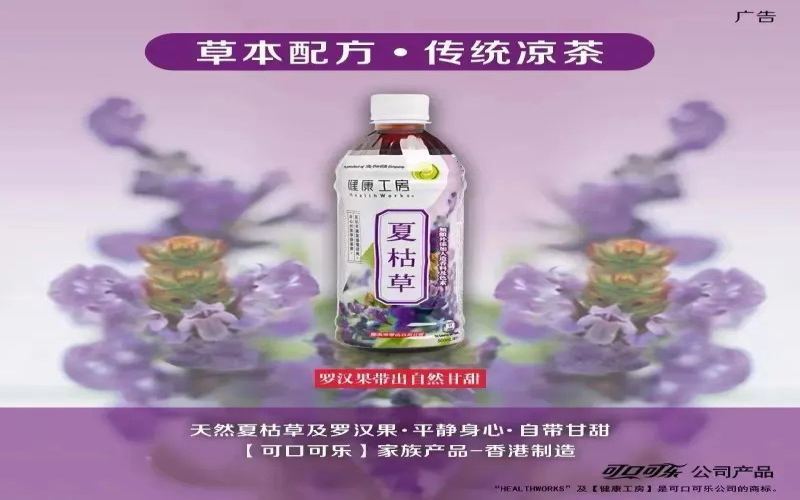
Wanglaoji's Waterfall Iced Cantonese-Style Drink Sparks Debate: Is Herbal Tea Crossing Over into Coffee Innovation or Anxiety?
Coca-Cola recently launched an herbal tea product called "Prunella vulgaris," but its name and packaging color scheme triggered collective misreading among netizens, many of whom associated it at first glance with the pesticide "paraquat." Meanwhile, Wong Lo Kat is also vigorously promoting "Waterfall Iced Cantonese Style" in its physical stores, combining concentrated herbal tea with fruit soda and ice, imitating coffee's visual appeal and sense of ritual. From Coca-Cola's naming mishap to Wong Lo Kat's attempt to turn herbal tea into coffee, traditional herbal tea brands all seem anxious to break through the limitations of their consumption scenarios. Are these crossover moves genuine innovation breakthroughs, or helpless measures by brands under performance pressure? [more…]
Why should coffee be enjoyed while hot? Can pour-over coffee be reheated? Which is better for black coffee: hot or iced?
The temperature of coffee has a tremendous impact on the taste experience—the same cup of coffee presents completely different layers of flavor at different temperatures. From the aroma of hot coffee to the complexity of warm coffee, and then to the technical performance of cold coffee, each stage has its own unique tasting value. This article will provide a detailed explanation of the optimal drinking temperature for coffee, the temperature ranges for milk coffee and pour-over coffee, whether cold coffee can be reheated, and how coffee flavors change at different temperatures. At the same time, drawing on Front Street Coffee's tasting experience, the article also offers practical drinking suggestions for coffee lovers, helping everyone enjoy the most complete flavor expression of a cup of coffee within the appropriate temperature window. [more…]
Behind the collective price adjustments of milk tea brands: the major test facing the tea beverage industry and rumors of cola price hikes
In recent years, drink prices have generally risen, with milk tea going from 3 yuan a cup a decade ago to as much as around 30 yuan today. After the New Year, mid- and low-end brands such as Mixue Ice Cream & Tea, Yidian Dian, and CoCo都可 raised their prices one after another, while high-end brands such as Heytea and Nayuki were already positioned above 20 yuan. Rising costs and the impact of the pandemic have left the tea beverage industry facing a reshuffle, and consumers have reacted differently to the price increases. At the same time, cola may also face upward price pressure because of Canada's tax on sugary drinks, but in the domestic market, given the duopoly competition, the likelihood of price increases is relatively low. This article sorts out the phenomenon of tea beverage price increases and the industry logic behind it. [more…]
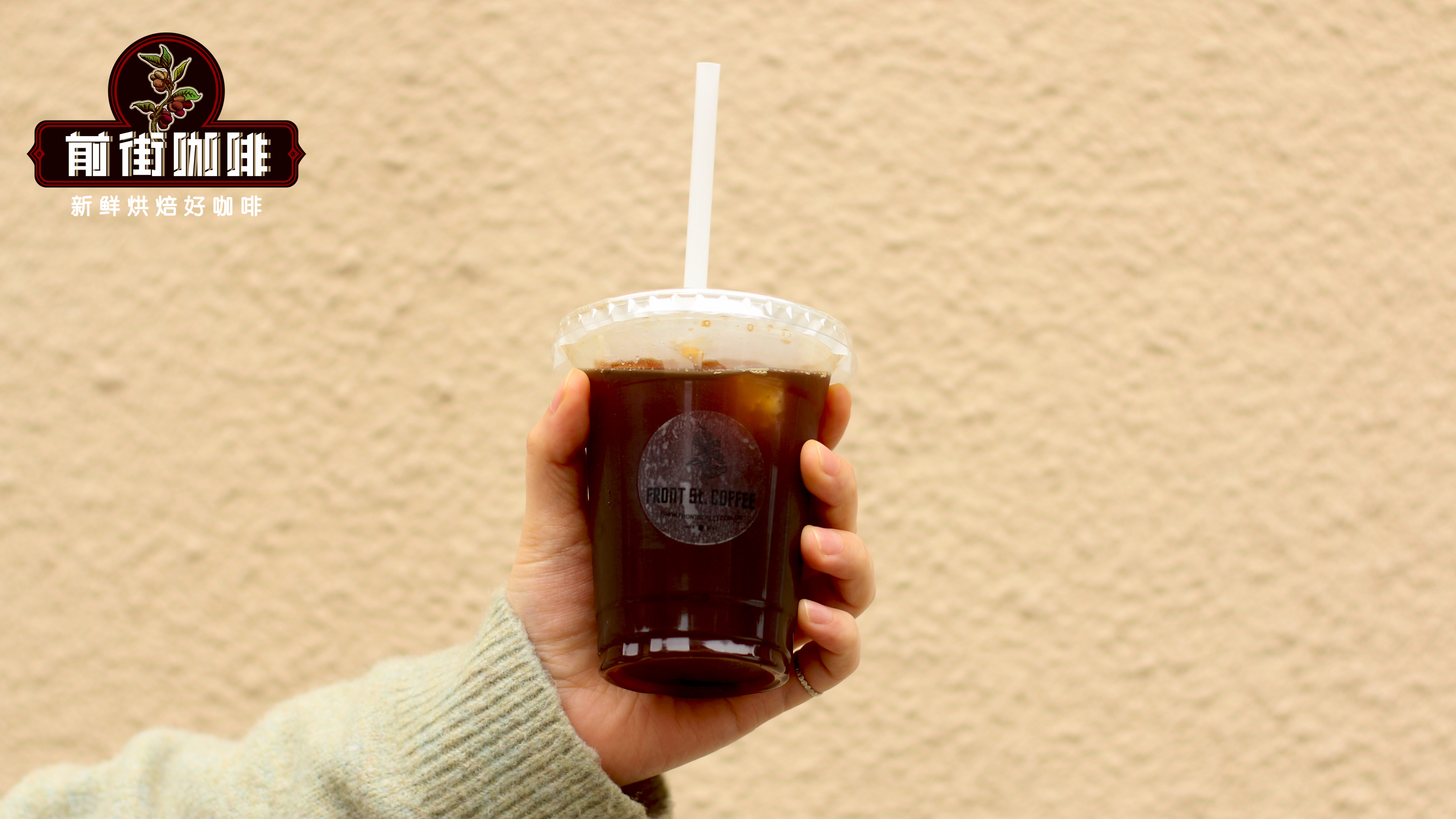
The iced Americano loved by celebrities: a complete guide to its benefits, brewing method, and creative variations
Iced Americano, with its health attributes of zero calories, zero sugar, and zero fat, has become a favorite of many celebrities. It not only refreshes and cuts through greasiness, sharpens the mind, but also has a fat-burning effect. But can iced Americano really help with weight loss? How do you make an authentic iced Americano at home? In this article, Front Street Coffee will guide you through the key points of making iced Americano, from coffee bean selection to extraction ratios, and share creative recipes such as sparkling iced Americano, waterfall iced Americano, and lava iced Americano, so you can easily master all the secrets of this refreshing drink. [more…]

Freshly made tea beverages crossing over into cooking sparks heated discussion: Mixue Ice Cream & Tea becomes the new darling of the kitchen, netizens develop the "Snow King cuisine"
Using beverages in cooking is nothing new—Coca-Cola chicken wings have long been a household name. But recently, a group of wildly creative netizens have brought freshly made milk tea and fruit tea into the frying pan—Mixue Bingcheng's "Bangda Fresh Orange" is used to braise pork ribs, iced fresh lemonade replaces dipping sauce, and Four Seasons Spring milk tea is kneaded into dough to steam buns. This "Mixue Bingcheng goes into the kitchen" trend quickly went viral on social media, racking up tens of thousands of likes, with official accounts also joining in the interaction. Some see it as dark cuisine, while others who tried it exclaim it's surprisingly delicious. Is incorporating freshly made drinks into cooking actually reliable? And what intriguing details lie behind it? This article will take you on a deep dive. [more…]
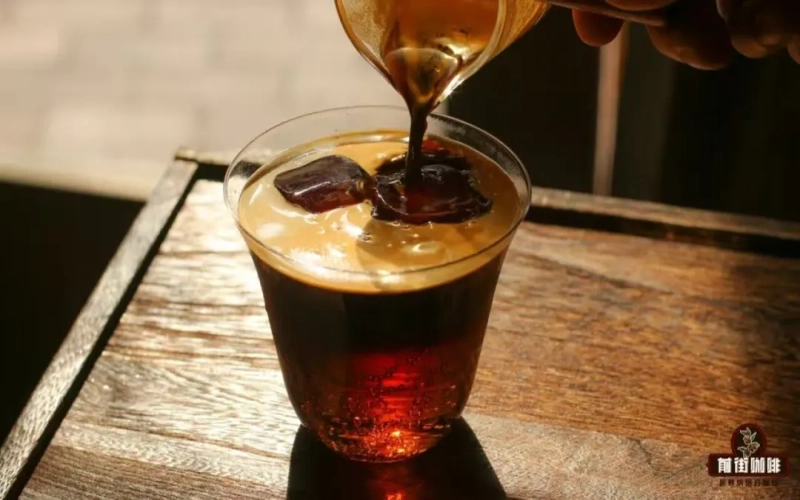
How to Keep Your Sparkling Iced Americano from Overflowing at Home? Five Practical Tips to Easily Solve the Foam Problem
Many coffee enthusiasts who try to make sparkling iced Americano at home encounter a common frustration: when the espresso is poured into sparkling water, the liquid in the glass suddenly foams up violently and overflows, leaving a messy scene. In contrast, the sparkling Americano served at coffee shops is always stable and beautiful, with the coffee quietly floating on top of the sparkling water, and even stirring doesn't produce too much foam. What is the reason behind this? Actually, the formation of foam is a normal physical phenomenon resulting from the interaction between carbon dioxide and the oils and proteins in coffee, but by adjusting the pouring method, filtering out coffee impurities, controlling temperature differences, and changing the ratio of sparkling water, you can effectively suppress foam formation. This article takes Front Street Espresso Blend · Strawberry Candy Espresso as an example to share in detail five practical methods for making sparkling coffee, helping you easily create a cup of sparkling iced Americano that doesn't overflow and tastes refreshing. [more…]
Master the correct way to taste specialty coffee: the complete steps from holding the cup and adding sugar to savoring black coffee
Drinking coffee may seem simple, but to truly savor the essence of a specialty coffee, everything from the way you hold the cup to the timing of adding sugar has its own finer points. This article systematically organizes the seven basic techniques for coffee tasting, including holding the cup, adding sugar, using a coffee spoon, cooling methods, using the cup and saucer, pairing with snacks, and the rhythm of drinking, and further breaks down the five-step process for drinking coffee correctly, teaching you how to cleanse your palate with ice water, appreciate the original flavor of black coffee while it's hot, and then gradually add sugar and milk, so as to experience the layered changes in coffee's flavor. Whether you are a beginner just getting into specialty coffee or an enthusiast looking to improve your tasting skills, these details can help you enjoy every cup of coffee more professionally. [more…]
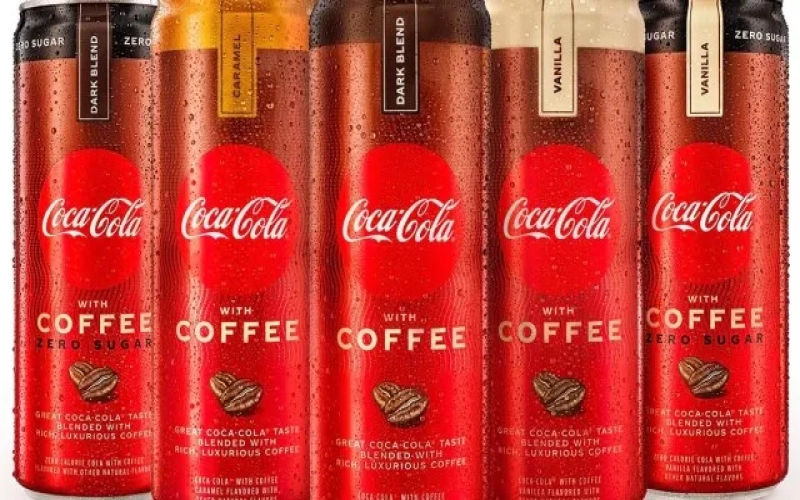
Coca-Cola launches another coffee-cola product: Mocha flavor released across eight variants—can the coffee and cola mashup win over the market?
The combination of coffee and cola is nothing new, but previous attempts have failed to make much of a splash. However, Coca-Cola's coffee cola launched in the U.S. market unexpectedly became a hit, and now the brand is striking while the iron is hot, announcing that on February 7, 2022, it will launch a mocha coffee flavor series in some parts of the United States, bringing eight different choices in one go. The new series has been comprehensively upgraded in terms of coffee bean varieties, packaging design, and flavor classification, attempting to sustain its popularity with a richer product matrix. Can this crossover beverage of coffee cola break the curse of being "applauded but not widely bought"? This article will walk you through the details of this new product launch and the market considerations behind it. [more…]

Coca-Cola Spiced soda discontinued just seven months after launch: niche flavor trial fails and product strategy adjusts
Coca-Cola recently announced it will phase out its Spiced-flavored soda, which was launched with much fanfare just this February—a drink once positioned as a "permanent product" that lasted only seven months. Spiced blended traditional cola, raspberry, and spice flavors, aiming to attract Gen Z consumers seeking bold tastes, but its market performance was lackluster. Analysts suggest that consumers' unclear perception of its flavor and overly hasty new product development may be the main reasons for the failure. Meanwhile, Coca-Cola has also discontinued flavors like Cherry Vanilla and Splenda Diet Coke to focus on faster-growing categories. This article traces the complete trajectory of Spiced from launch to discontinuation and explores the challenges and prospects of niche sodas in the market. [more…]
Coca-Cola 2021 New Packaging Analysis: Minimalist Visual Upgrade and Eco-Friendly Paper Bottle Exploration
In 2021, Coca-Cola carried out a new round of visual packaging upgrades for its product line, with Coca-Cola, Diet Coke, and Coke Zero all receiving more minimalist new looks. This redesign continues the "One Brand" strategy introduced in 2015. The most noticeable change is that the logo has been moved upward, and the classic ribbon element has been removed, giving the overall style a clean and crisp feel. In terms of color schemes, the classic version retains the red-and-white combination, the Diet version adopts red and silver, and the Zero version forms a high-contrast look with a black logo against a red background. At the same time, at the end of last year Coca-Cola also launched an eco-friendly paper bottle prototype called "Adez," jointly developed by its Brussels lab and the Danish company Paboco. It uses a paper shell with a plastic liner and a recyclable plastic cap, further conveying the concept of sustainable development. This article will compare the old and new packaging changes in detail and review these two noteworthy developments. [more…]
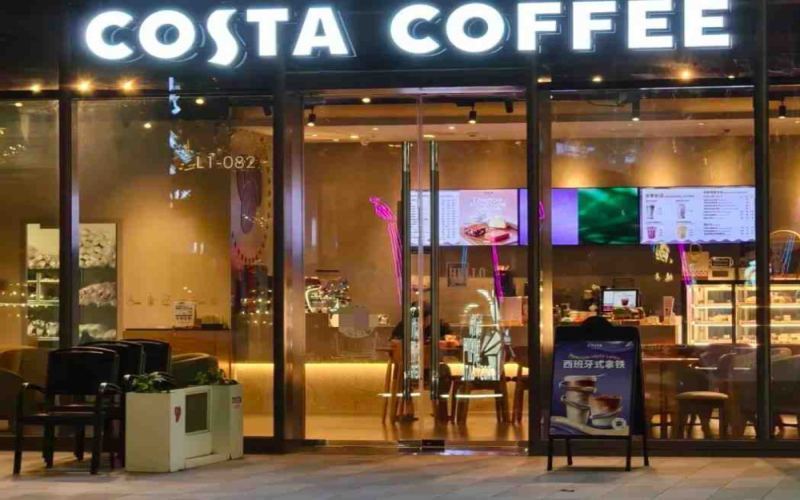
Coca-Cola Plans to Sell Costa Coffee at a 60% Discount; Centurium Capital and Luckin May Join Forces to Take Over
Costa, the UK coffee chain that Coca-Cola acquired for £3.9 billion in 2018, may now be put up for sale. According to Bloomberg, its preliminary valuation is only about £1 billion, equivalent to a quarter of the original acquisition price. Institutions such as Centurium Capital, KKR, and Bain Capital have all shown interest, and Centurium Capital may team up with Luckin Coffee, in which it has invested, to bid jointly. At the same time, Coca-Cola does not intend to let go completely and still hopes to retain control of Costa's ready-to-drink coffee business. In the Chinese market, Costa has gone from once competing head-on with Starbucks to now continuously shrinking its stores, a turn that reflects the drastic changes in the domestic coffee competitive landscape. [more…]